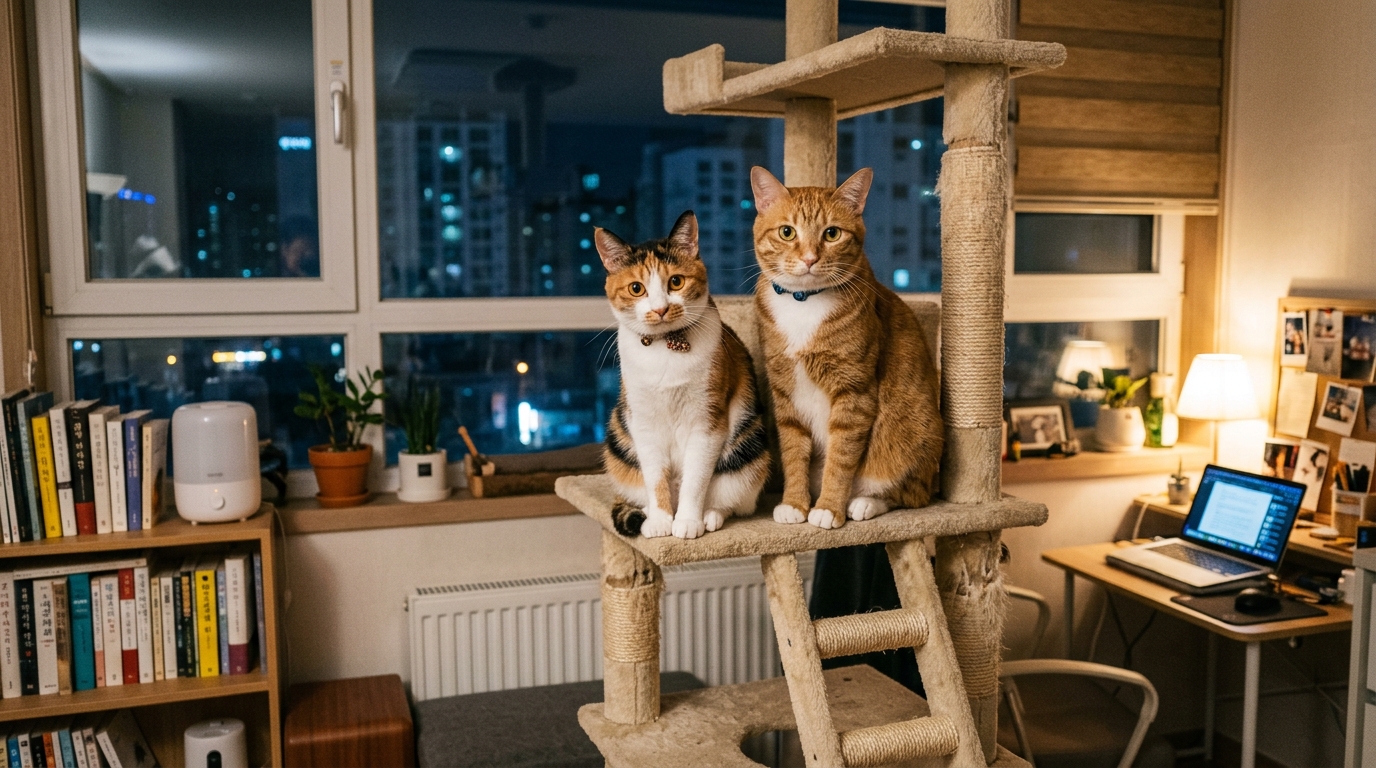
Hello, pet parents. I am Ansim, the Senior Researcher at Magentalab Pet Research Institute. When you see your furry companion frequently visiting the litter box in pain, or having a urinary accident on a favorite blanket they normally never soil, your heart naturally sinks. Often, a hurried trip to the veterinary clinic results in a diagnosis of ‘cystitis.’
However, not all cystitis is the same. Because the treatment methods differ entirely depending on the cause, an accurate distinction must come first to quickly relieve your pet’s pain. Today, Magentalab will clearly break down the crucial differences between the easily confused ‘Bacterial Cystitis’ and ‘Feline Idiopathic Cystitis (FIC)’.

| Cystitis Type | Primary Triggers | Predisposition | Veterinary Diagnosis & Core Treatment | Researcher Ansim’s Emergency Home Care |
| Bacterial Cystitis | Urethral infiltration and proliferation of external bacteria like E. coli | Dogs (Especially female dogs due to their shorter, wider urethras) | Urine sediment & culture tests / Targeted antibiotic therapy | Increase water intake to physically flush out bacteria from the bladder quickly. |
| Idiopathic Cystitis (FIC) | Mental stress, insufficient water intake, sudden environmental changes | Cats (Severe shock risk especially in neutered male cats) | Negative for stones/bacteria / Damage to the bladder’s protective GAG layer and neurogenic inflammation | Antibiotics are ineffective. 15 minutes of hunting play and litter box environmental improvement (MEMO). |
1. Bacterial Cystitis: Inflammation Caused by Bacterial Infiltration
In most medical contexts, general cystitis refers to ‘Bacterial Cystitis’. It is a condition where external bacteria penetrate the bladder through the urethra, multiply, scar the bladder wall, and cause inflammation.
-
Major Cause: Bacterial infections, such as E. coli, are the primary culprits. It occurs particularly often in female dogs, whose anatomical structure features a relatively short and wide urethra.
-
Diagnosis Method: Veterinarians identify the cause through a ‘Urine sediment’ test, which observes crystals and cellular components under a microscope, or a ‘Urine culture’ test to clearly determine the specific type of bacteria.
-
Treatment: This is a straightforward disease. Once the appropriate ‘antibiotics’ targeting the causative bacteria are prescribed and administered, symptoms usually improve noticeably within a few days.

2. Idiopathic Cystitis: A Disease of the Mind with an Unknown Cause
On the other hand, the medical term ‘Idiopathic’ means ‘the exact cause cannot be clearly determined through testing’. It commonly occurs in cats and is widely known as ‘Feline Idiopathic Cystitis (FIC)’. The incidence rate is relatively low in dogs.
-
Mechanism of Occurrence:
When tested at the clinic, physical culprits like bacteria or stones are completely absent. So why do hematuria (blood in urine) and painful urination occur? The veterinary community points to ‘mental stress’ and ‘damage to the bladder’s inner protective membrane (GAG layer)’ as the direct causes.
-
Extreme environmental changes or stress trigger hormonal imbalances in the body.
-
Due to this stress response, the GAG layer—the mucous membrane that densely protects the inner wall of the bladder—rapidly thins out.
-
Highly acidic urine waste comes directly into contact with the sensitive epithelial cells of the unprotected bladder wall, causing excruciating pain and a sterile inflammatory response.
-

3. Core Comparison: Bacterial vs. Idiopathic Cystitis
Because both diseases share extremely similar outward symptoms like urinary accidents and frequent urination (pollakiuria), it is absolutely impossible for a pet parent to distinguish them with the naked eye. For your pet’s safety, you must clearly understand the physical criteria in the table below.
-
Bacterial Cystitis: Physical factors like bacterial infection and stones are the main causes. It is common in dogs (especially females). Targeted antibiotic therapy yields excellent treatment results.
-
Idiopathic Cystitis (FIC): Stress, low water intake, and sudden environmental changes are the triggers. It is extremely common in cats (especially neutered males). Antibiotics have absolutely no effect and may instead destroy beneficial gut flora, so prescriptions must be handled with caution.
| Category | Bacterial Cystitis | Idiopathic Cystitis (FIC) |
| Major Cause | Physical factors like bacterial infection or stones | Stress, poor hydration, environmental changes |
| Frequency | Common in dogs (especially females) | Common in cats (especially neutered males) |
| Antibiotic Response | Shows excellent treatment effects | Ineffective (Risks destroying beneficial flora) |
| Relapse Rate | Can be lowered with proper management | Very easily relapses under stressful situations |

4. Senior Researcher Ansim’s Prescription to Prevent Urinary Relapses
For stress-induced FIC in particular, everyday Multimodal Environmental Modification (MEMO) is just as critical as strong medication. If your furry friend is suffering from litter box issues, implement these three rules immediately:
-
First, maximize daily water intake.
The longer urine stays concentrated in the bladder, the more severe the chemical irritation becomes on the damaged bladder wall. You must encourage them to drink lots of water to dilute the urine and flush it out frequently. Setting up flowing water fountains, feeding wet food or canned food, and increasing the number of water bowls in various locations around the house are highly effective.
-
Second, completely overhaul the litter box environment.
For sensitive cats, dissatisfaction with the litter box is the biggest trigger for FIC. Always maintain the formula of “Number of cats + 1” for total litter boxes, and place them in quiet, independent, noise-free areas. Also, carefully check if the litter’s texture or brand was suddenly changed.
-
Third, utilize bladder mucosal and stress-relief supplements.
Feeding supplements containing ‘N-acetyl glucosamine (NAG)’ helps firmly repair the thinned mucosal layer of the bladder wall. Additionally, ‘L-theanine’ or ‘Alpha-casozepine’ stabilize the brain’s sympathetic nervous system, promoting mental and physical relaxation. These can greatly aid in alleviating cystitis symptoms and preventing chronic relapses.

Please remember that urinary accidents are not simple acts of spite or tantrums. They are the most desperate physiological SOS signals your pet sends to you, saying, “My body hurts!”
Leave a Reply