Tag: pet health
-

Is a Dog Always Happy When Wagging Its Tail? Ansim-i’s Guide to Distinguishing Signals
1. A dog’s tail wagging is not a 100% sign of happiness, but a body language indicating a high “arousal level” such as joy, tension, vigilance, or excitement. 2. If the whole body moves softly, it is a “safe (normal)” state. If the tail is wagging but the body is stiff and the ears are…
-

Perfect Analysis of Dog and Cat Pet Insurance: Comparison, Enrollment Conditions, Prices, and Coverage
1. Look beyond the monthly premium compare deductible, reimbursement percentage, and annual limit carefully. 2. Confirm coverage and waiting periods for high-risk breed conditions (patellar luxation, cruciate ligament issues, urinary problems in cats). 3. Disclose medical history honestly and enroll as early as possible to maximize protection. [Empathy] I understand how heavy it can feel…
-

“Reducing Food Made It More Dangerous!” The Secret to Pet Weight Loss Revealed by Ansim-i
1. Sudden starvation diets are very dangerous as they cause muscle loss and induce a yo-yo effect. 2. If cats starve for more than two days, they can develop life-threatening acute ‘Hepatic Lipidosis.’ 3. Aim to lose 1-2% of body weight per week, combining portion control with flat-ground walks and feather wand play. [Empathy] (My…
-

Your Dog Might Not Be Just ‘Chubby,’ But Obese: How to Check Obesity Levels at Home
1. Pet obesity is caused by a complex interaction of excessive calorie intake, hormonal changes due to spaying/neutering and aging, and genetic factors. 2. To accurately assess a pet’s body condition, utilize the Body Condition Score (BCS) and the “Rib Palpation Method” (feeling the ribs with your hands) rather than relying solely on the scale.…
-

Dog Ate Chocolate? Why the Type Matters and Why You Should Call a Vet Before Symptoms Start
1. Theobromine and caffeine in chocolate can affect a dog’s nervous and cardiovascular systems. Products with more cocoa, such as dark chocolate, baking chocolate, and cocoa powder, generally contain higher concentrations of methylxanthines. 2. Risk depends on the type and concentration of chocolate, the amount eaten, the dog’s body weight, timing, and individual susceptibility—not simply…
-
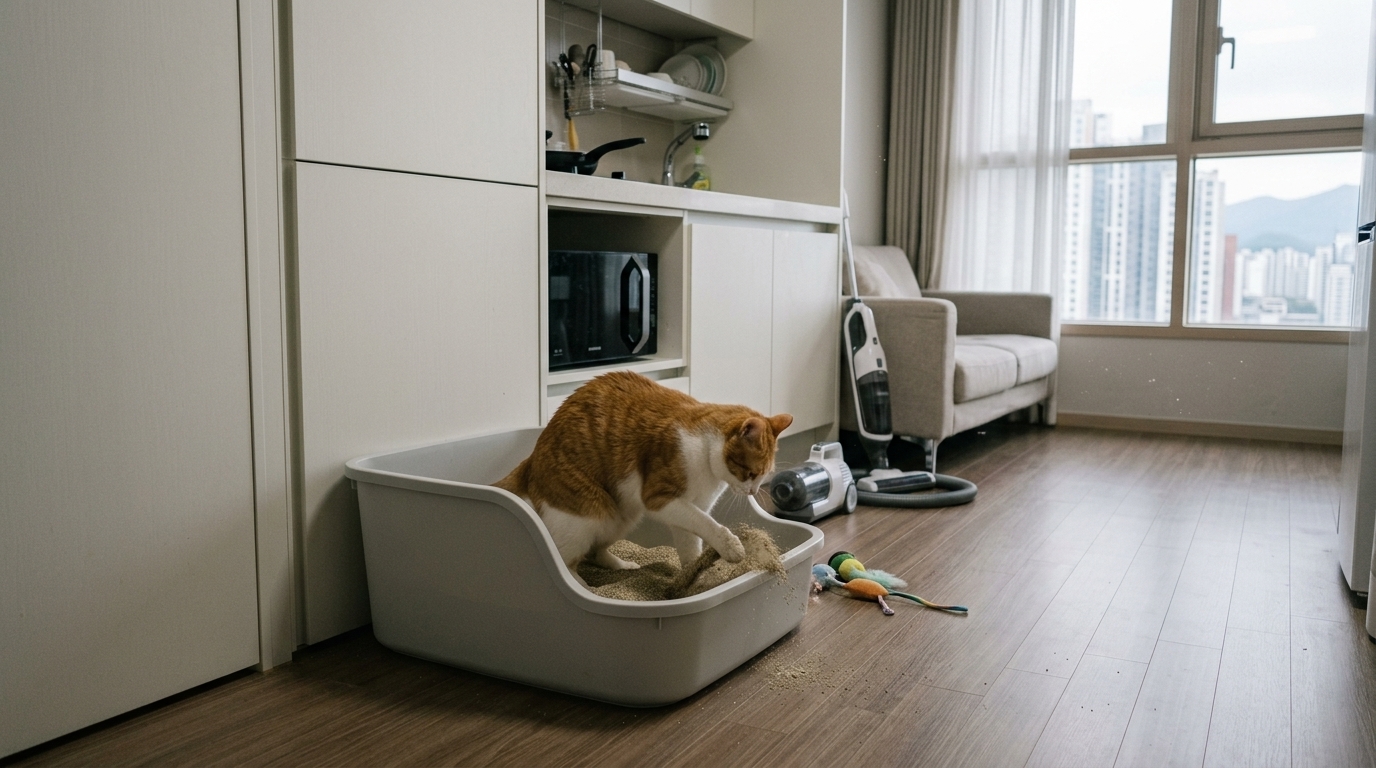
Moving House and Sudden Cat Cystitis? Lead Researcher Ansim-i’s Detailed Report on Causes and Solutions
1. Cystitis in cats after moving is primarily caused by extreme stress from environmental changes (Feline Idiopathic Cystitis, FIC) rather than bacterial infections. 2. Hiding in corners for a few days is a normal alert response, but urinary abnormalities like pollakiuria, hematuria, and litter box accidents are danger signals requiring immediate treatment. 3. For prevention,…
-

Feline Cystitis: 7 Clues That Separate FIC From a Bacterial UTI—and When a Blocked Cat Is an Emergency
1. Blood in the urine, straining and frequent litter-box visits can occur with FIC, stones, urethral obstruction or bacterial UTI, so appearance alone does not identify the cause. 2. FIC is common in otherwise healthy younger adult cats, while bacterial UTI becomes more likely with older age or conditions such as CKD and diabetes. 3.…
-

Genetic Heart Diseases Causing Purple Tongue (Cyanosis) in Dogs and the Golden Time for First Aid
1. Cyanosis, where a dog’s tongue turns purple, is an ultra-emergency rescue signal indicating systemic oxygen desaturation caused by Myxomatous Mitral Valve Disease (MMVD). 2.Dehydration and rising temperatures increase blood viscosity, causing Disseminated Intravascular Coagulation (DIC) shock, making immediate temperature and humidity management essential. 3. If a dog with already unstable breathing ingests toxic substances—such…