Tag: Cat cystitis
-
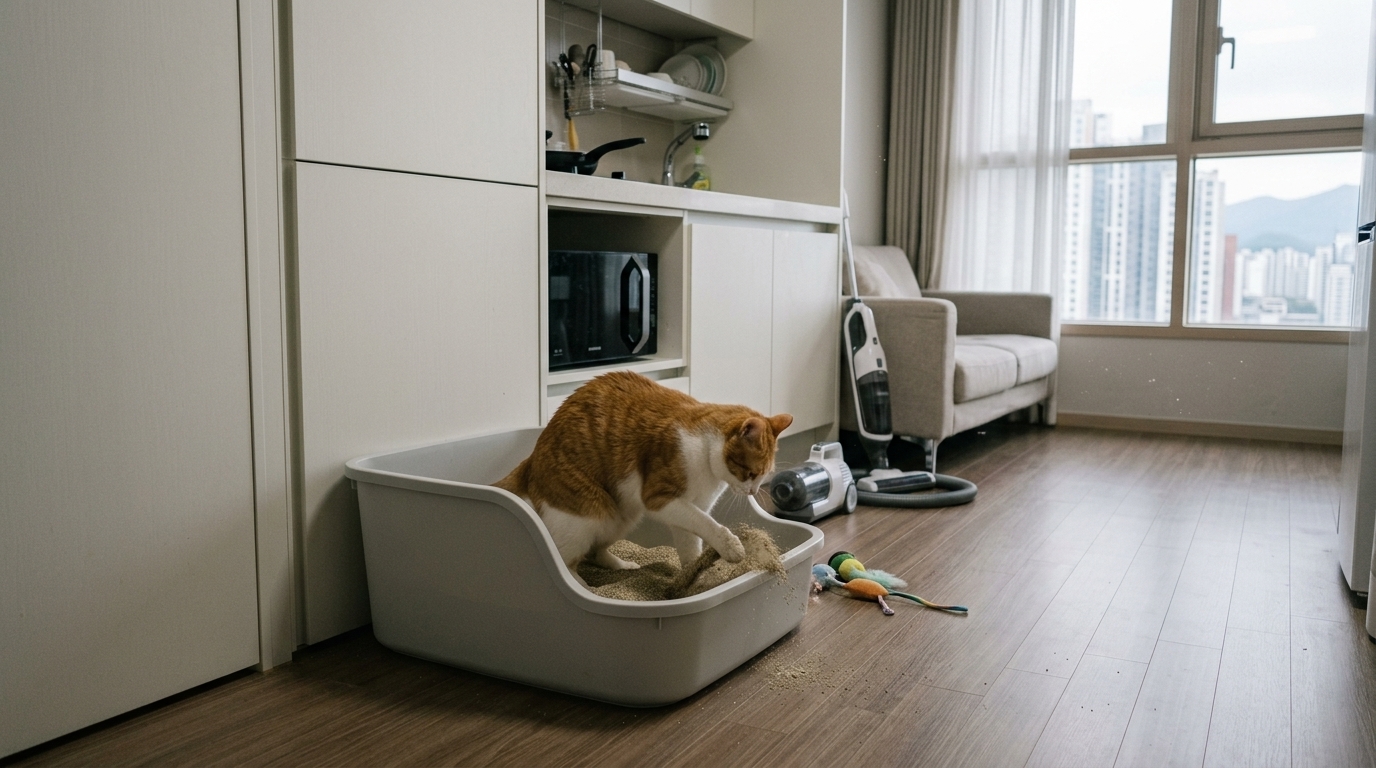
Moving House and Sudden Cat Cystitis? Lead Researcher Ansim-i’s Detailed Report on Causes and Solutions
1. Cystitis in cats after moving is primarily caused by extreme stress from environmental changes (Feline Idiopathic Cystitis, FIC) rather than bacterial infections. 2. Hiding in corners for a few days is a normal alert response, but urinary abnormalities like pollakiuria, hematuria, and litter box accidents are danger signals requiring immediate treatment. 3. For prevention,…
-
Feline Cystitis: 7 Clues That Separate FIC From a Bacterial UTI—and When a Blocked Cat Is an Emergency
1. Blood in the urine, straining and frequent litter-box visits can occur with FIC, stones, urethral obstruction or bacterial UTI, so appearance alone does not identify the cause. 2. FIC is common in otherwise healthy younger adult cats, while bacterial UTI becomes more likely with older age or conditions such as CKD and diabetes. 3.…
-
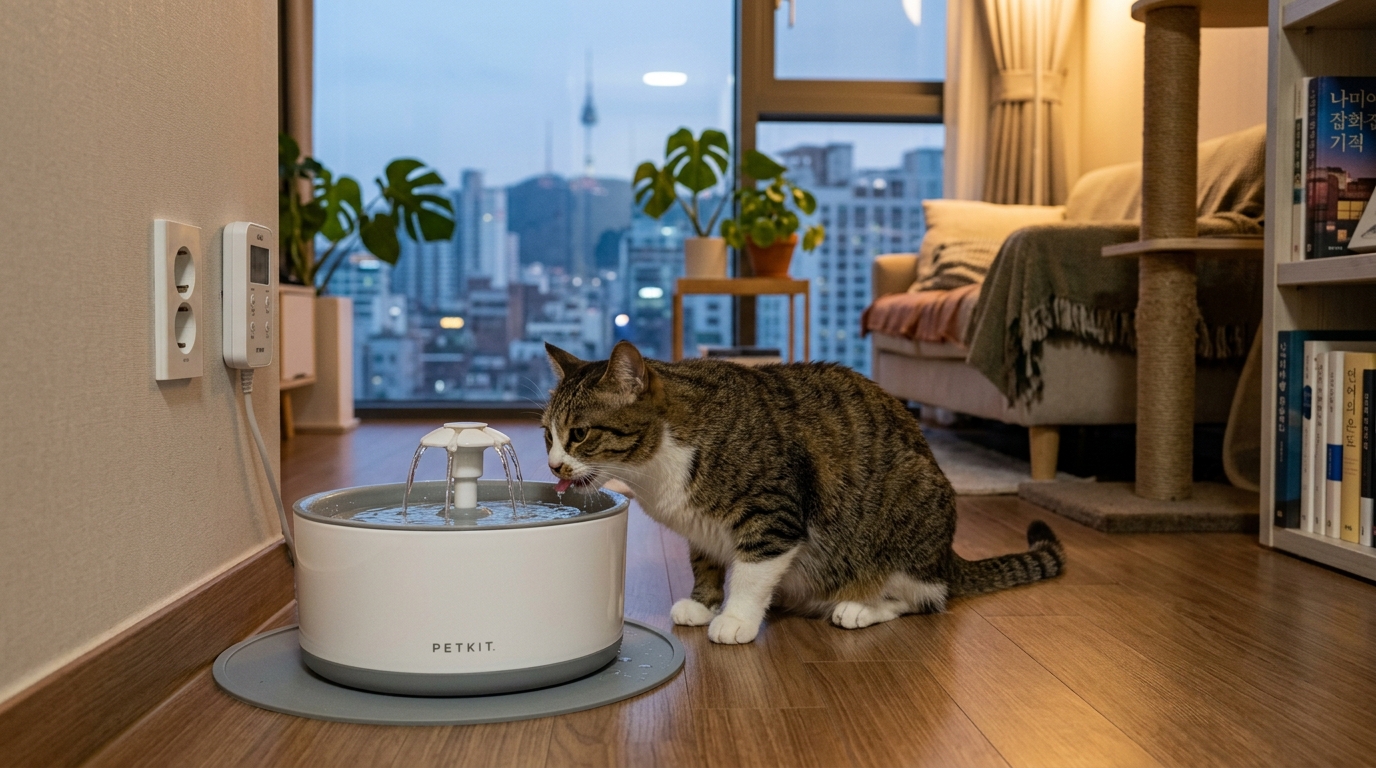
How to Help Your Cat Drink More Water: Hydration Tips, Dehydration Signs, and Lily Poisoning
1. Because cats are highly insensitive to thirst due to their desert-adapted evolution, pet parents must actively manage their water intake. 2. If nephrotoxic substances like grapes, salt, or lilies enter the body during dehydration, the kidneys are instantly destroyed, causing uremia. 3. Feeding wet food, separating food and water bowls, and providing flowing water…
-
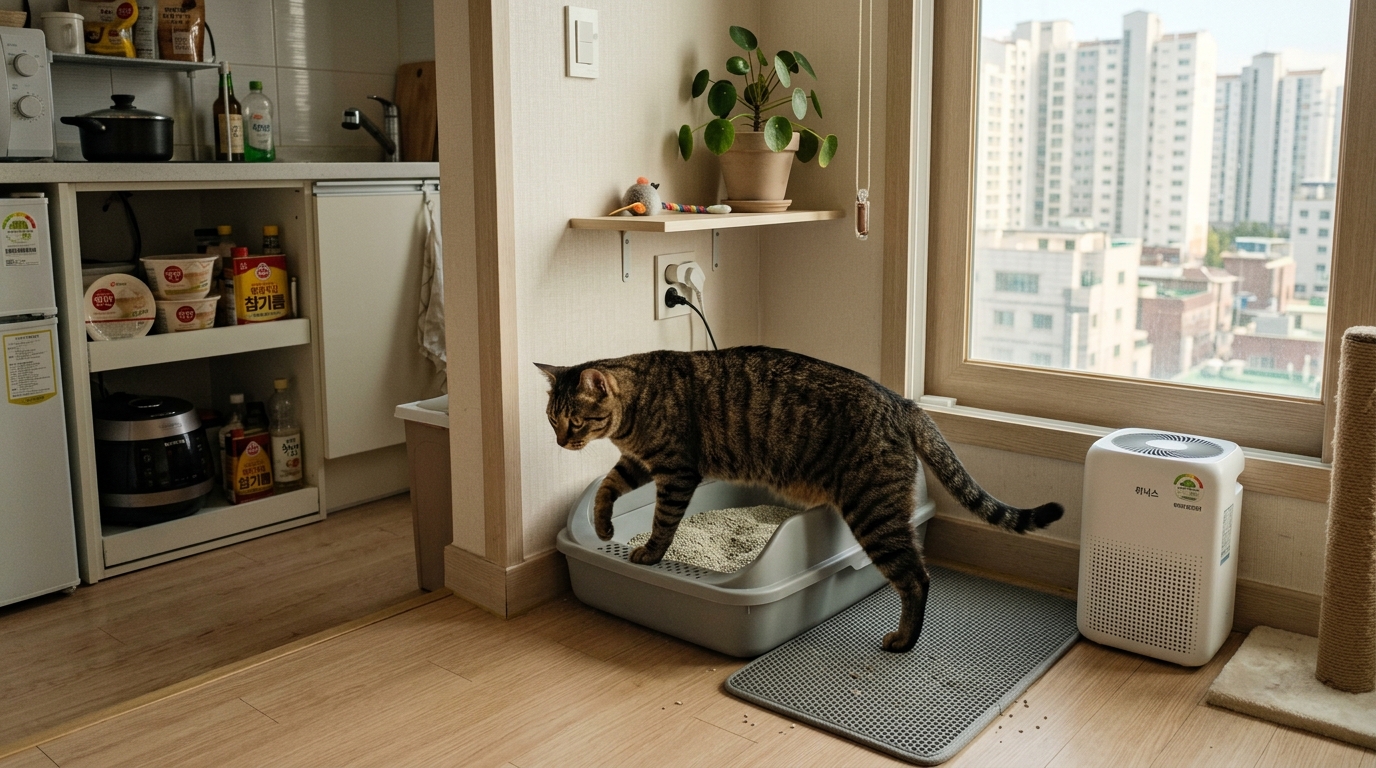
Why Is My Cat Peeing Outside the Litter Box? Medical Causes, Urine Marking, and Litter Box Problems
1. A cat’s inappropriate urination is not a simple rebellion but a pain avoidance behavior (periuria) caused by damage to the bladder’s GAG layer. 2. Tofu litter or large-particle sand stimulates the paw nerves and makes cats avoid the litter box, making tactile screening essential. 3. If a cat in a weakened urinary state ingests…
-
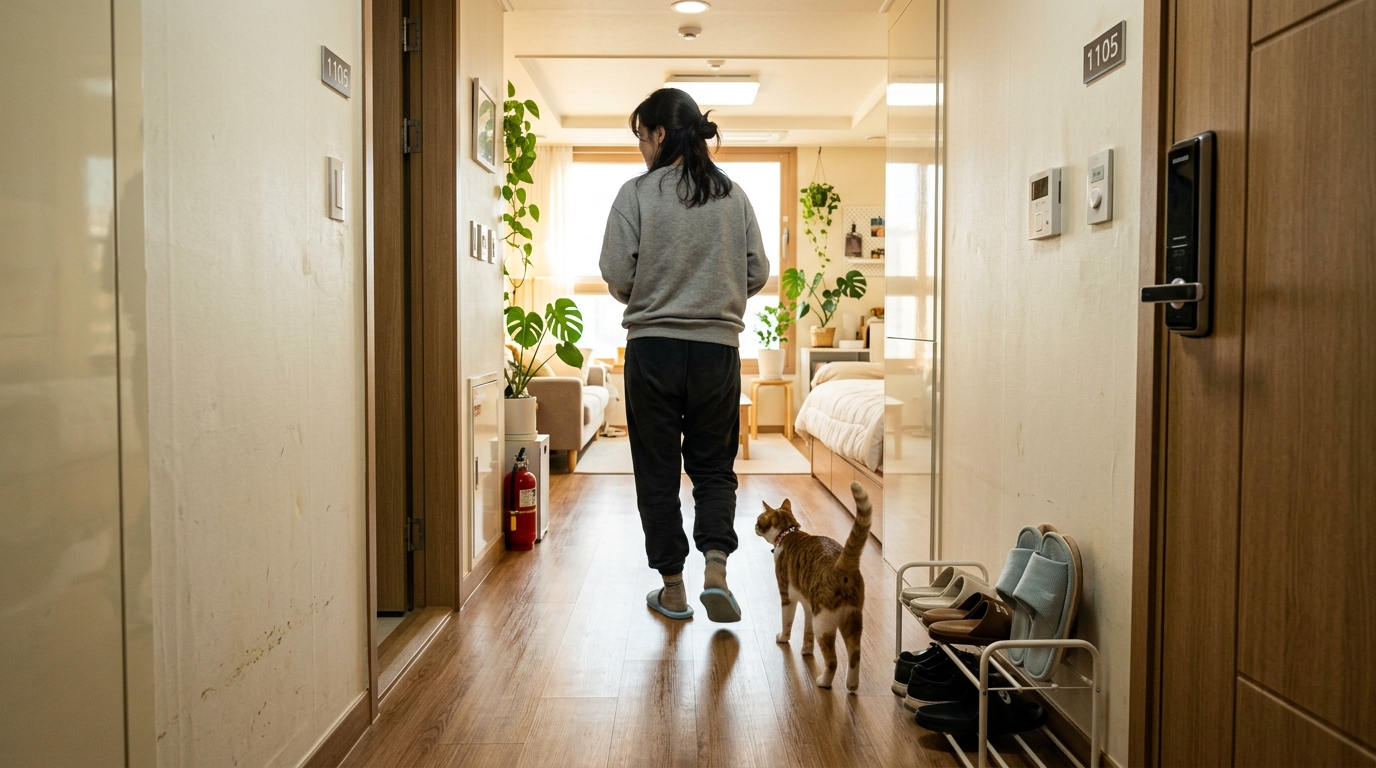
Why Does My Cat Follow Me Everywhere and Purr? When It May Be a Sign of Pain
1. A cat following you around like a stalker while emitting an abnormally long and loud purr can be a distress signal to endure chronic arthritis or organ pain. 2. The frequency of a purr (25~150Hz) is a physiological analgesic mechanism intended to increase bone density and induce endorphins to self-heal wounds. 3. For a…