Category: Behavior & Training
-

Cat Camera Aversion: The Psychology Behind Cats Avoiding Lenses and Tips to Catch Their Eye
1. Cats instinctively feel threatened by the large, dark camera lens on a smartphone, perceiving it as a “predator’s eye” glaring at them. 2. Behaviors like turning their head or yawning in front of the camera are “calming signals” meaning they don’t want to fight, serving as body language that expresses stress. 3. If you…
-

Dog and Cat Time Perception: The Secrets of How Pets Experience Time When Pet Parents Are Away and a Guide to Solving Separation Anxiety
1. Pets perceive the passage of time through the fading of scents (olfactory clock), light, and biological rhythms. 2. Dogs and cats with fast metabolisms experience time slower than humans, so time spent alone can be a major stressor. 3. To prevent separation anxiety, proactive environmental improvements are essential, such as utilizing nosework and scent-soaked…
-

Do Dogs and Cats Recognize Pet Parents as Family? The Secrets of Separation Anxiety and Attachment Formation
1. Through fMRI brain wave studies and oxytocin secretion mechanisms, it is scientifically proven that dogs perceive pet parents as “absolute parents” with whom they perfectly emotionally bond. 2. Cats consider pet parents as “giant cats without aggression” and show deep family love by forming a “secure attachment” on the same level as human infants.…
-

Do Dogs and Cats Understand Their Owner’s Sadness? The Scientific Truth Behind Pet Emotional Bonding
1. Dogs instantly detect sadness and stress through the smell of hormones (chemosignals) secreted due to their pet parent’s emotional changes. 2. Cats know how to grasp their pet parent’s facial expressions and voice tone, offering their own independent comfort by subtly lingering nearby or marking with pheromones. 3. Because a pet parent’s anxiety can…
-

Hormonal Changes Behind Barking at Other Dogs and Stress-Relieving Responses to Sniffing During Dog Walks
1. Encountering another dog causes adrenaline and cortisol to surge, putting the sympathetic nervous system into a state of hyper-tension. 2. Spotting a bird or cat triggers a dopamine explosion, causing the dog to feel an unstoppable predatory drive and the intense thrill of the chase. 3. Nose-work behaviors, such as deeply sniffing unfamiliar scents…
-

The Perfect Guide to Dog-Friendly Restaurants, Cafes, and Walking Manners: The Standard of Petiquette
1. Thorough Preparation Before Visiting Commercial Facilities: Bring a pet carrier and belly bands, and familiarize yourself with the pet policies via reservation platforms beforehand to avoid inconveniencing others. 2. Strict Adherence to Leash and Distance Rules During Walks: Maintain a short leash under 6 feet (2m) according to local laws and strictly forbid off-leash…
-

The Ultimate Guide: Why Your Dog Obsesses Over One Person & Separation Anxiety Training
1. Distinguishing Separation Anxiety from Attachment: If your dog’s following behavior is accompanied by fear and panic, it is not simply affection but a symptom of separation anxiety, making scientific counter-conditioning training essential. 2. Positive Reinforcement-Based Behavior Modification: Issues like doorbell barking or pulling on walks are resolved not through punishment, but by positively changing…
-

Why Do Dogs Sigh? How to Tell Relaxation from Pain or Breathing Trouble
1. Dogs can sigh during normal relaxation or transitions between activities, so one long exhale does not automatically signal sadness or illness. 2. The useful clues are what comes with the sigh: faster breathing, coughing, reduced mobility, pain behavior, appetite change, or loss of interest in normal activities. 3. Record the context—resting, after exercise, climbing…
-
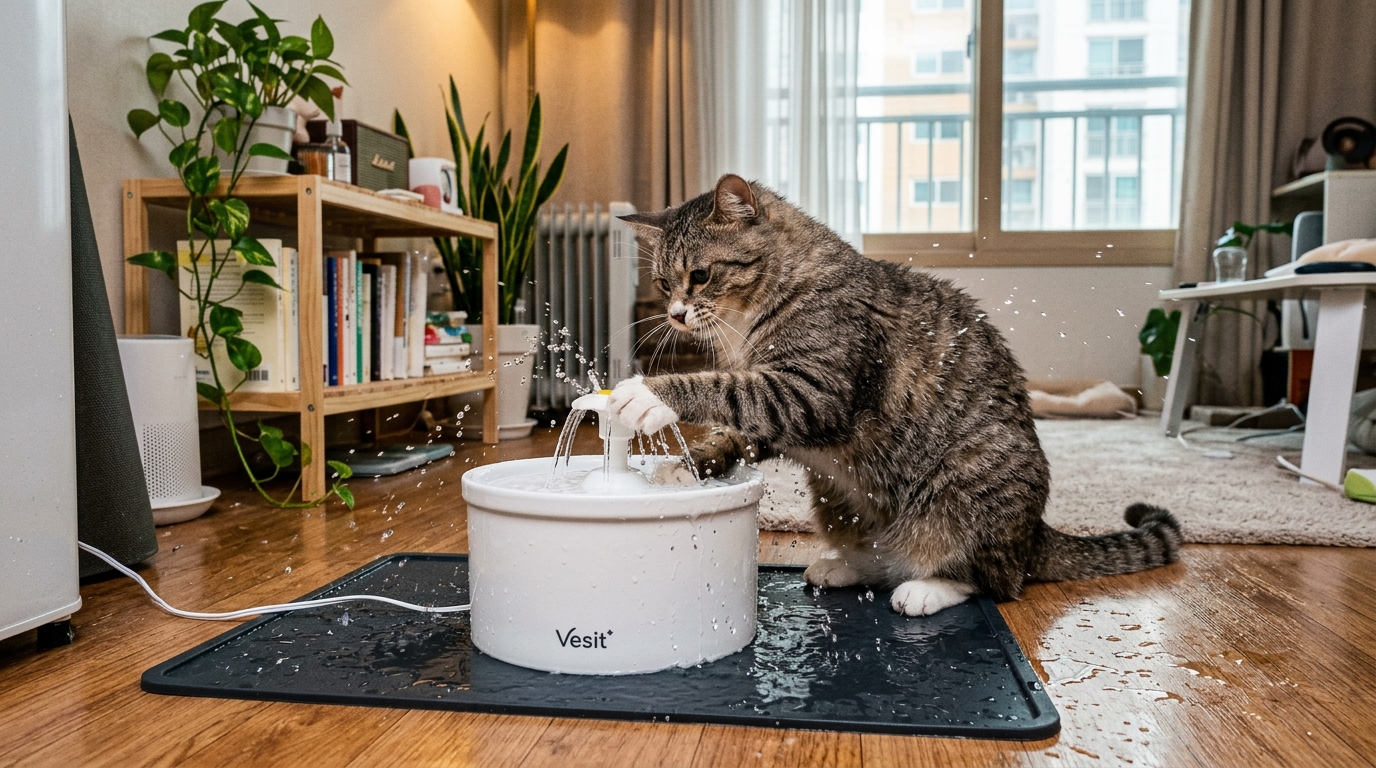
Veterinary Reasons Why Cats Dip Their Paws in Water Before Drinking & Tailored Solutions for Pet Parents
1. Inducing Ripples to Measure Water Level: Because their close-range vision is weak and they cannot see the transparent water boundary, they create ripples with their paws to gauge the depth. 2. Avoiding Whisker Fatigue: This is an action to safely lick water off their paws to avoid the unpleasant sensation of their sensitive whiskers…
-

Do Dogs and Cats Lie? Learned Malingering and Veterinary Differential Diagnosis
1. Conditioned Response: They cannot tell moral lies, but it is a “positive reinforcement” learning process that recreates the successful memory of when your love and treats poured out after they acted sick. 2. Differentiating Limping: If they drag their leg even when given treats or watched from afar, or feel pain when touched, suspect…