We find the answer in small habits.
-
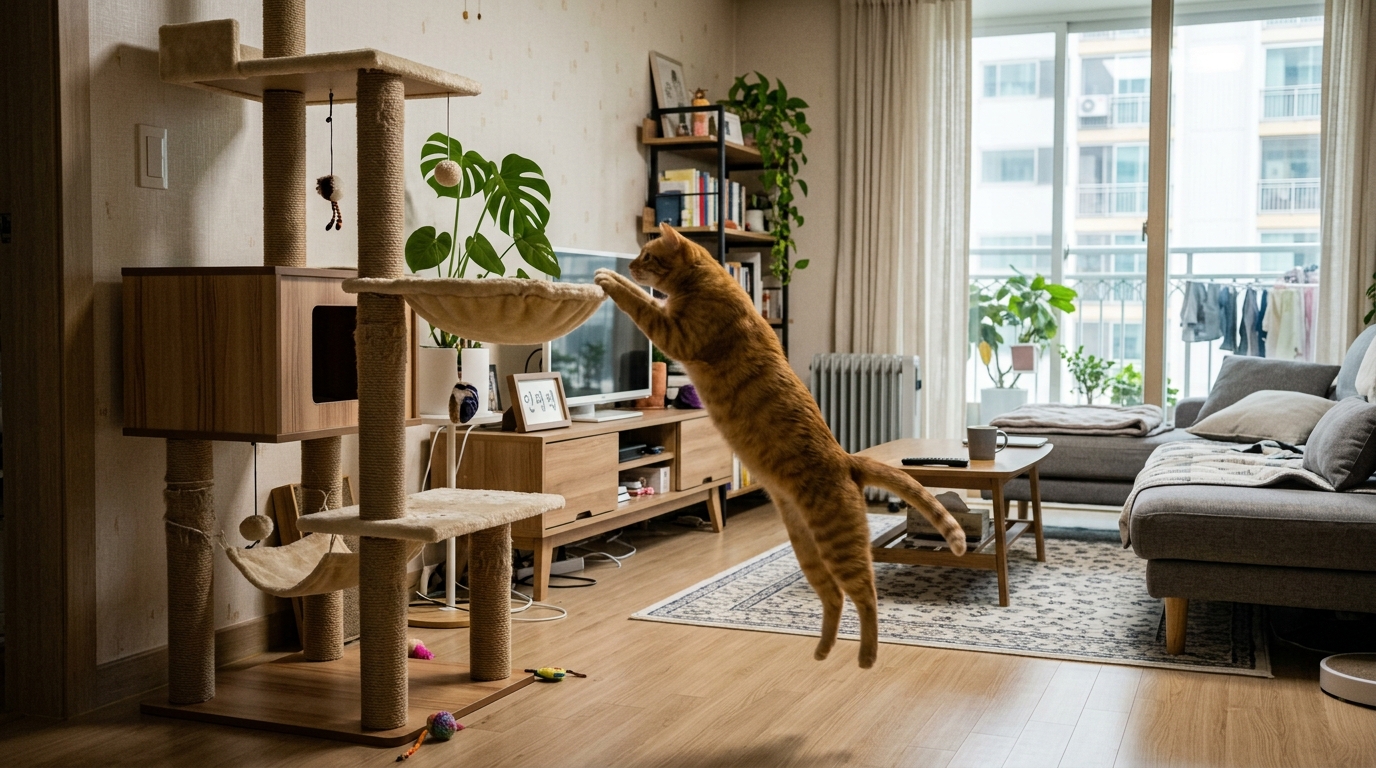
Has Your Cat Started Avoiding High Places? A Complete Guide to the Differences Between Simple Aging and Osteoarthritis, and Signals to Visit the Vet
1. A cat avoiding high places is highly likely a pain signal caused by Degenerative Joint Disease (DJD), not a simple symptom of aging. 2. Normal aging is slow but successful in jumping, whereas osteoarthritis presents pain responses such as giving up on jumping, poor grooming, and hissing during physical contact. 3. To manage osteoarthritis,…
-

Hormonal Changes Behind Barking at Other Dogs and Stress-Relieving Responses to Sniffing During Dog Walks
1. Encountering another dog causes adrenaline and cortisol to surge, putting the sympathetic nervous system into a state of hyper-tension. 2. Spotting a bird or cat triggers a dopamine explosion, causing the dog to feel an unstoppable predatory drive and the intense thrill of the chase. 3. Nose-work behaviors, such as deeply sniffing unfamiliar scents…
-

The Perfect Guide to Dog-Friendly Restaurants, Cafes, and Walking Manners: The Standard of Petiquette
1. Thorough Preparation Before Visiting Commercial Facilities: Bring a pet carrier and belly bands, and familiarize yourself with the pet policies via reservation platforms beforehand to avoid inconveniencing others. 2. Strict Adherence to Leash and Distance Rules During Walks: Maintain a short leash under 6 feet (2m) according to local laws and strictly forbid off-leash…
-

Tips for Improving the Litter Box Environment to Resolve Feline Idiopathic Cystitis Causes and Hematuria Symptoms
1. Feline Idiopathic Cystitis (FIC) is primarily caused by environmental stress, not bacterial infection, making thorough environmental management essential. 2. Increase water intake by switching from dry kibble to wet food, and place “number of cats + 1” litter boxes in quiet locations. 3. Anuria (inability to urinate) in male cats is an extreme emergency…
-
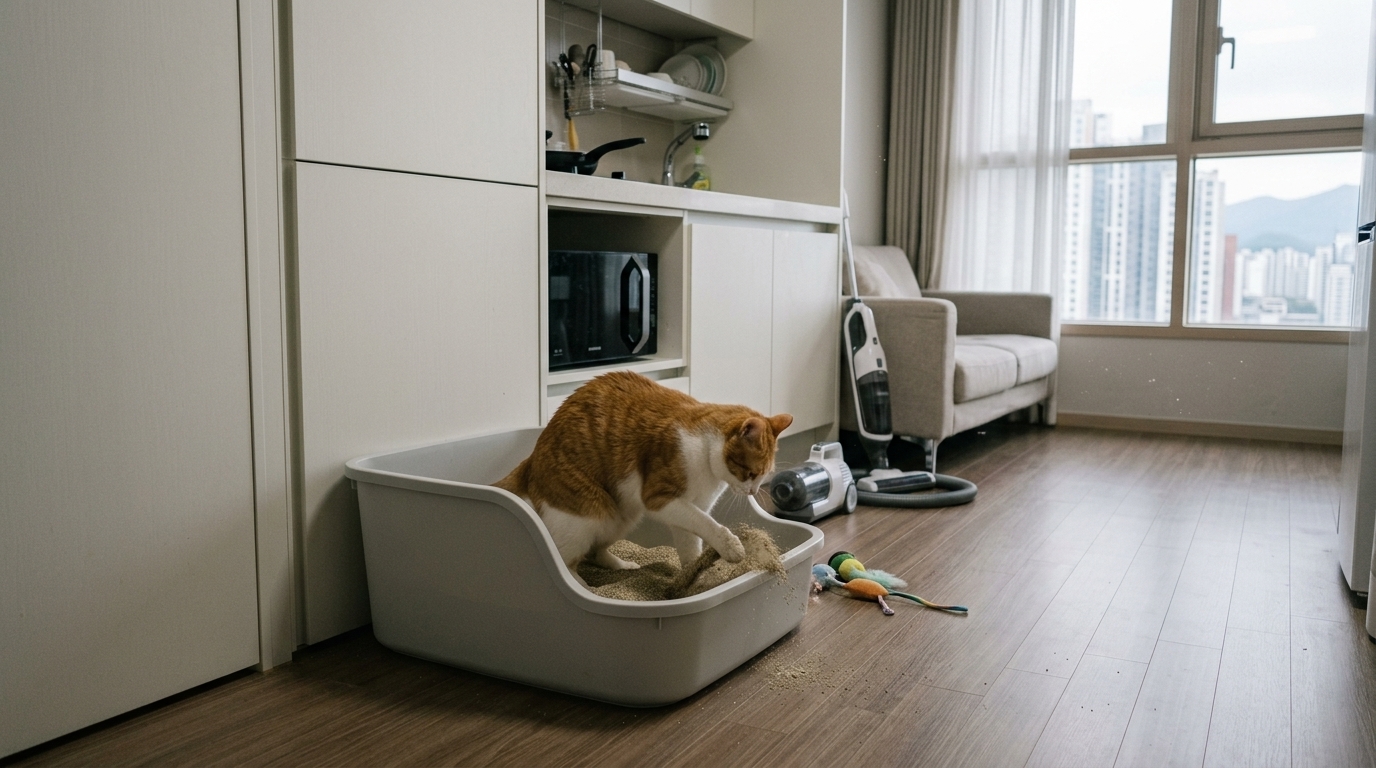
Moving House and Sudden Cat Cystitis? Lead Researcher Ansim-i’s Detailed Report on Causes and Solutions
1. Cystitis in cats after moving is primarily caused by extreme stress from environmental changes (Feline Idiopathic Cystitis, FIC) rather than bacterial infections. 2. Hiding in corners for a few days is a normal alert response, but urinary abnormalities like pollakiuria, hematuria, and litter box accidents are danger signals requiring immediate treatment. 3. For prevention,…
-

The Ultimate Guide: Why Your Dog Obsesses Over One Person & Separation Anxiety Training
1. Distinguishing Separation Anxiety from Attachment: If your dog’s following behavior is accompanied by fear and panic, it is not simply affection but a symptom of separation anxiety, making scientific counter-conditioning training essential. 2. Positive Reinforcement-Based Behavior Modification: Issues like doorbell barking or pulling on walks are resolved not through punishment, but by positively changing…
-
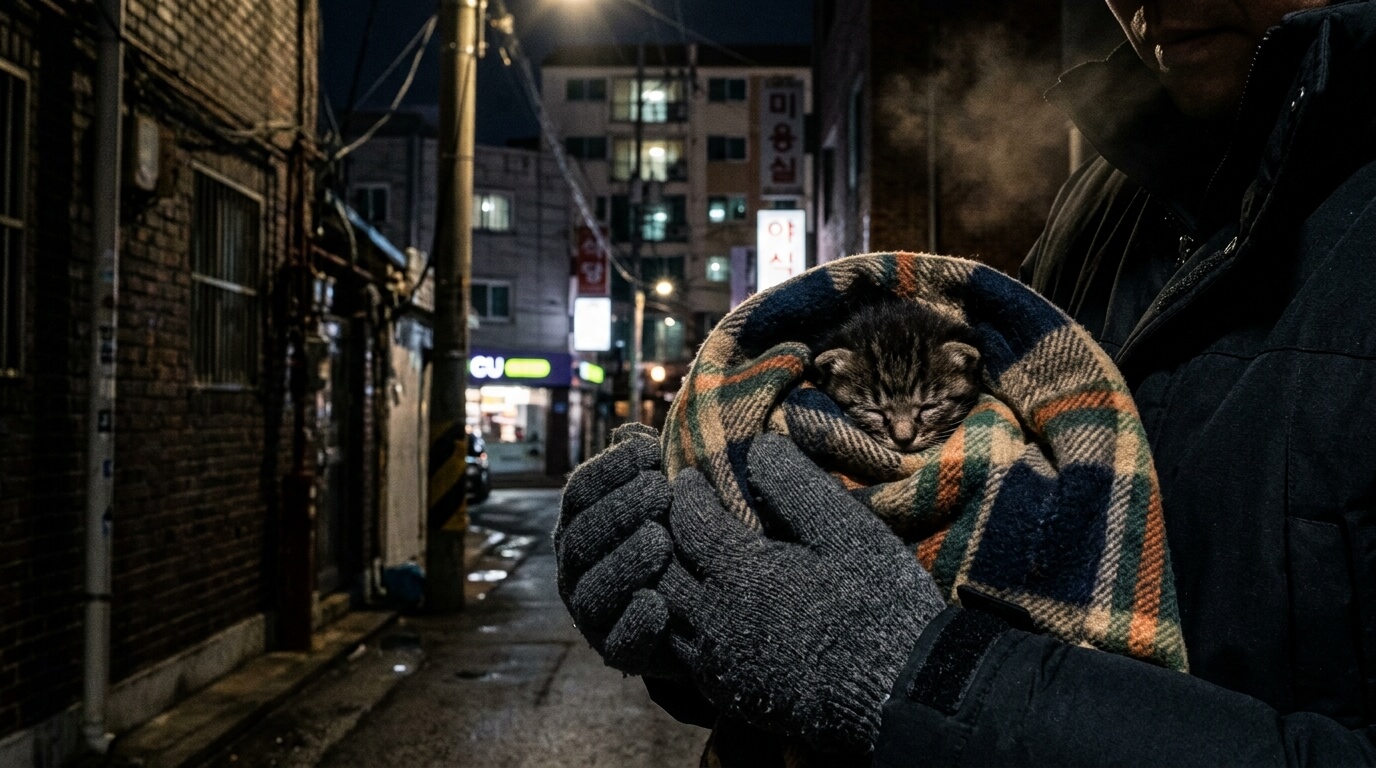
Newborn Kitten Won’t Nurse and Feels Cold? Fading Kitten Syndrome Warning Signs and When to See a Vet
1. A newborn kitten that feels cold, becomes weak, or stops nursing needs prompt attention because neonatal kittens have limited ability to regulate body temperature and maintain blood glucose. 2. Do not force milk into a cold, weak, poorly responsive, or poorly swallowing kitten. Hypothermia can impair gastrointestinal function and increase the risk of regurgitation…
-
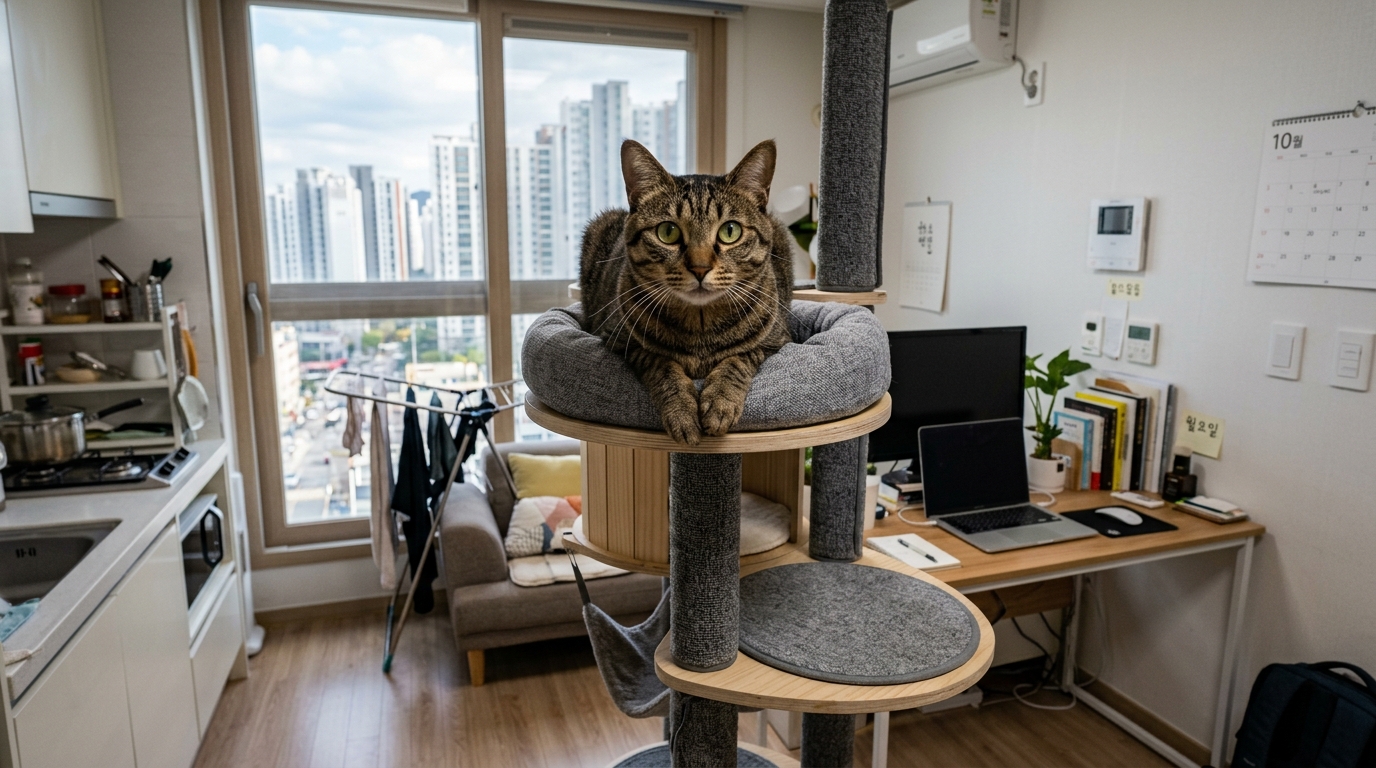
Cat Keeps Going to the Litter Box but Little or No Urine Comes Out? When It’s an Emergency
1. Cats primarily visit the litter box frequently due to urethral irritation caused by Feline Idiopathic Cystitis (FIC), bladder stones, or stress. 2. During frequent urination behavior, whether the actual “volume of urine passed” (clump size) is small or non-existent is the key criterion separating danger from safety, rather than the “number of visits.” 3.…
-

Blood in Your Cat’s Urine? Causes of Pink Urine, Cystitis, and Emergency Warning Signs
1. There is no “normal” category for feline hematuria; stress-induced Feline Idiopathic Cystitis (FIC), uroliths (stones), and bacterial infections are the main causes. 2. Pink urine, crying during urination, and frequent urination indicate bladder mucosal damage and pain, requiring immediate status recording and environmental modification. 3. Urethral obstruction, where the cat cannot urinate at all,…
-

Canine Hypothyroidism: Causes and Solutions for Weight Gain and “Rat Tail” Hair Loss Despite Eating Less
1. Disease Characteristics: Gaining weight despite eating less and falling into extreme lethargy are classic symptoms of “Hypothyroidism,” a deficiency in metabolism-regulating hormones, not simple obesity. 2. Physical Clues: Be sure to check for non-itchy symmetrical hair loss, especially the “rat tail” phenomenon where tail hair falls out completely, as well as abnormal sensitivity to…
추천 예약이 있으신가요?